


Employee motivation is one of the biggest challenges businesses face today. Salaries matter, but money alone does not always create long-term engagement. Employees want appreciation, recognition, and meaningful experiences.
This is where incentive travel makes a difference.
Unlike traditional rewards, incentive travel offers memorable experiences that motivate teams, strengthen company culture, and improve performance. Businesses across industries now use corporate incentive travel programs to reward top performers, increase loyalty, and drive results.
In this guide, you will learn what incentive travel is, why it works, and 7 proven strategies to make your program successful.
What Is Incentive Travel?
Incentive travel is a reward program where companies offer travel experiences to employees, sales teams, distributors, or business partners for achieving specific goals.
Instead of giving cash bonuses or standard gifts, businesses provide unforgettable trips, unique experiences, and exclusive events.
These trips can include:
- Luxury resorts
- International destinations
- Adventure experiences
- Team retreats
- Wellness escapes
- VIP business events
The main purpose of incentive travel is simple: motivate people to perform better by offering a reward they genuinely value.
Why Incentive Travel Works Better Than Traditional Rewards

Many companies rely on bonuses or merchandise to reward employees. While these rewards can work temporarily, they often lose emotional value quickly.
Incentive travel creates a stronger impact because it combines:
- Recognition
- Experience
- Emotion
- Personal achievement
- Shared memories
People remember experiences far longer than products or cash payments.
An employee may forget a bonus amount within months, but they rarely forget a company-sponsored trip to Bali, Dubai, or Santorini.
That emotional connection makes incentive one of the most effective employee motivation tools.
7 Proven Incentive Travel Strategies for Ultimate Success
1. Set Clear Business Goals
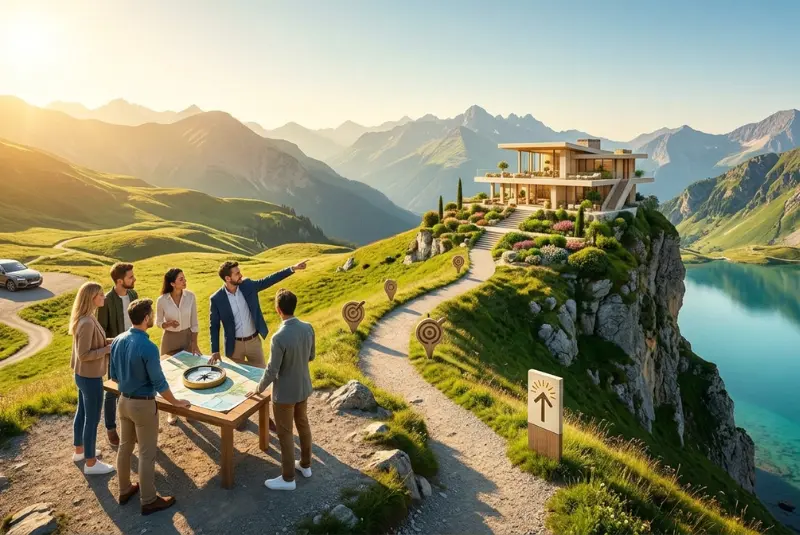
A successful travel program starts with clear objectives.
Do not launch a travel reward simply because competitors are doing it.
Define measurable outcomes.
Ask yourself:
- Do you want to increase sales?
- Improve employee retention?
- Build stronger teamwork?
- Reward high performers?
- Strengthen customer relationships?
Your goals shape everything from destination choice to budgeting.
For example:
If your goal is sales growth, reward sales milestones.
If your goal is employee engagement, design a team-building travel experience.
Clear objectives lead to better results and easier ROI tracking.
2. Choose Experiences, Not Just Destinations
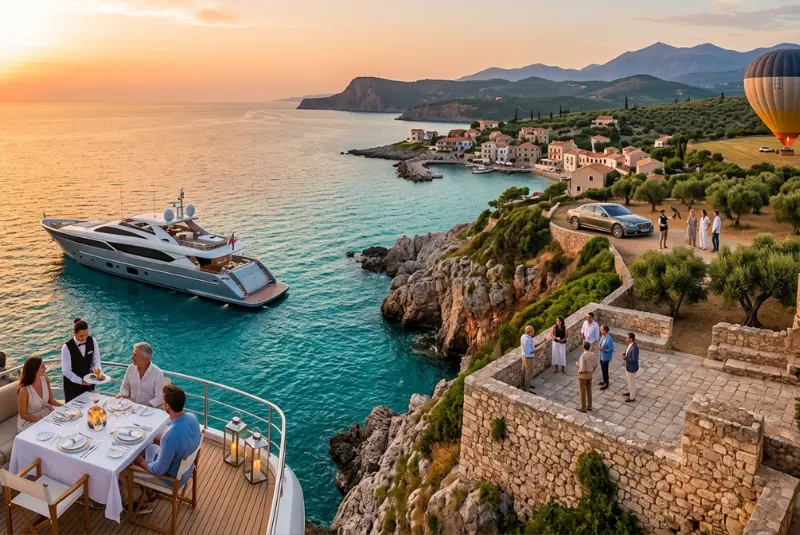
Many businesses focus only on location.
That is a mistake.
The real power of incentive lies in the experience.
A memorable program goes beyond hotel rooms and flights.
Create experiences participants cannot easily buy themselves.
Examples include:
- Private yacht dinners
- Cultural VIP tours
- Celebrity guest experiences
- Adventure activities
- Personalized luxury experiences
- Exclusive networking events
Unique moments create excitement, anticipation, and stronger emotional value.
3. Personalize the Travel Experience

One-size-fits-all rewards rarely maximize motivation.
Employees have different interests.
Some love adventure.
Others prefer luxury, wellness, or cultural experiences.
Personalized travel programs often produce better engagement.
Ways to personalize include:
- Activity choices
- Dining preferences
- Flexible itineraries
- Optional family participation
- Wellness or adventure options
Personalization makes participants feel recognized as individuals, not just numbers.
4. Use Incentive Travel to Strengthen Company Culture
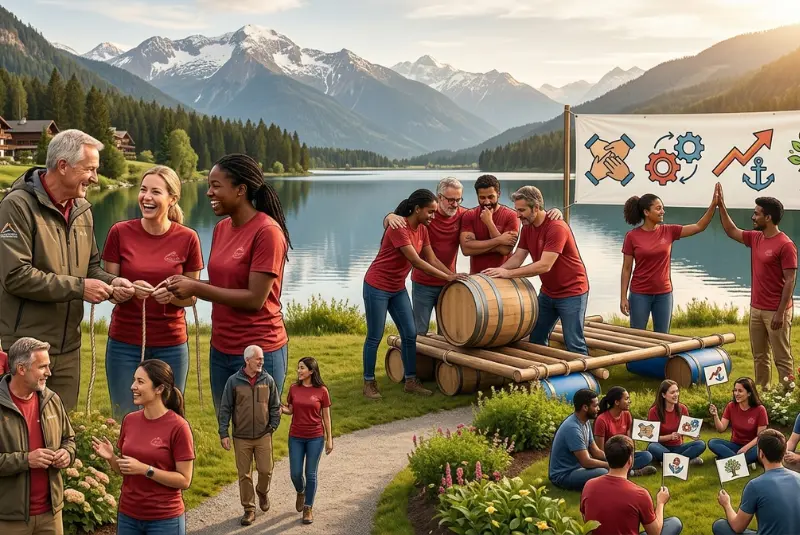
Competitors often focus only on rewards.
However, smart companies use travel to strengthen culture.
Travel experiences create stronger personal connections between leaders and employees.
During a well-designed trip, participants interact outside formal work environments.
This helps:
- Build trust
- Improve communication
- Increase collaboration
- Strengthen loyalty
- Reinforce company values
When employees feel emotionally connected to the company, motivation naturally increases.
5. Measure ROI From Your Incentive Travel Program
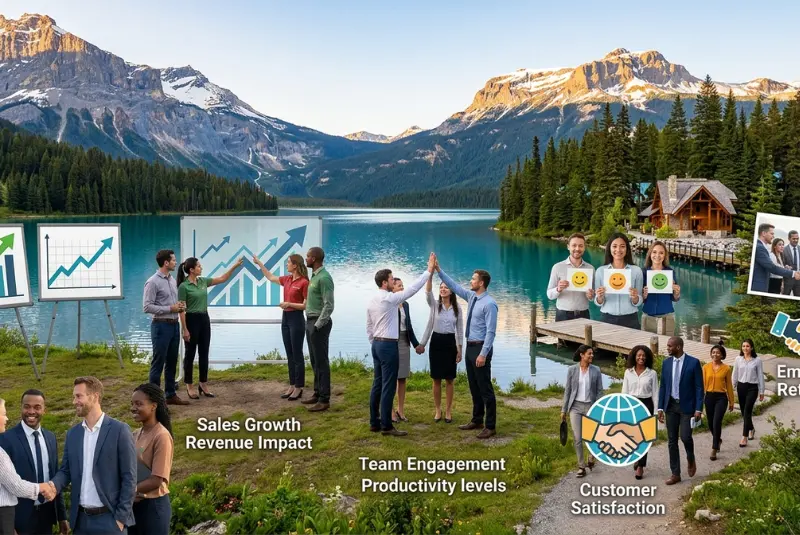
Many businesses overlook performance measurement.
That is a major missed opportunity.
A strong incentive strategy should deliver measurable business value.
Track key performance indicators such as:
- Sales growth
- Employee retention rates
- Productivity levels
- Customer satisfaction
- Team engagement scores
- Revenue impact
For example, compare performance data before and after launching your incentive program.
If sales teams improve results by 18%, your travel investment has measurable value.
Tracking ROI helps justify budgets and improve future programs.
6. Create Excitement Before the Trip Begins
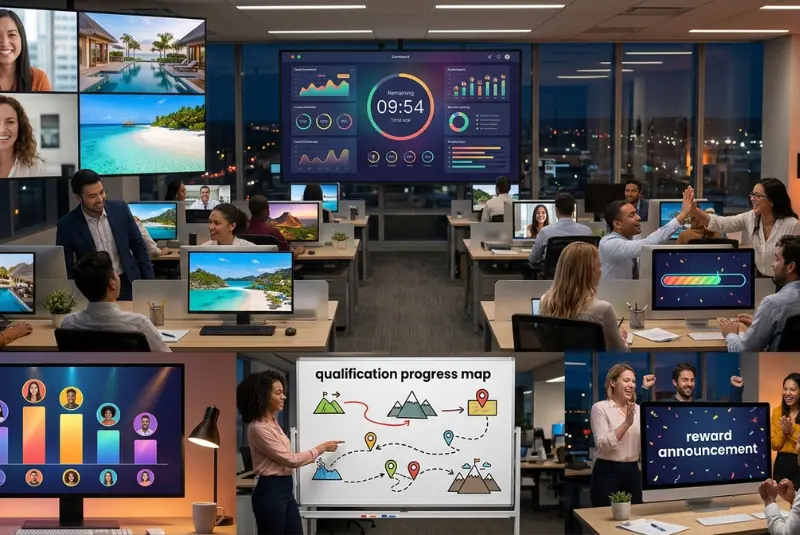
Successful travel starts long before boarding a plane.
Build anticipation.
Make employees excited about qualifying.
Use internal marketing techniques like:
- Countdown campaigns
- Progress dashboards
- Teaser videos
- Leaderboards
- Destination reveals
- Reward announcements
The journey toward qualification can become a motivational tool itself.
When employees feel excitement early, participation increases.
7. Keep the Experience Memorable After the Trip Ends

The best travel programs continue delivering value after participants return home.
Do not let the experience disappear.
Extend engagement through:
- Photo sharing
- Recognition ceremonies
- Success stories
- Social media highlights
- Follow-up appreciation events
Post-trip storytelling reinforces motivation and inspires future participants.
Long-term memories strengthen program impact.
Benefits of Incentive Travel for Businesses
Companies invest in incentive travel for good reasons.
The business advantages go far beyond employee happiness.
Increased Employee Motivation
Employees work harder when rewards feel meaningful and achievable.
Travel rewards often create stronger motivation than cash-based incentives.
Better Employee Retention
Employees who feel valued are more likely to stay.
Retention matters because hiring and training replacements can be expensive.
Stronger Team Relationships
Shared experiences naturally build stronger team bonds.
Travel removes workplace barriers and encourages authentic interaction.
Improved Sales Performance
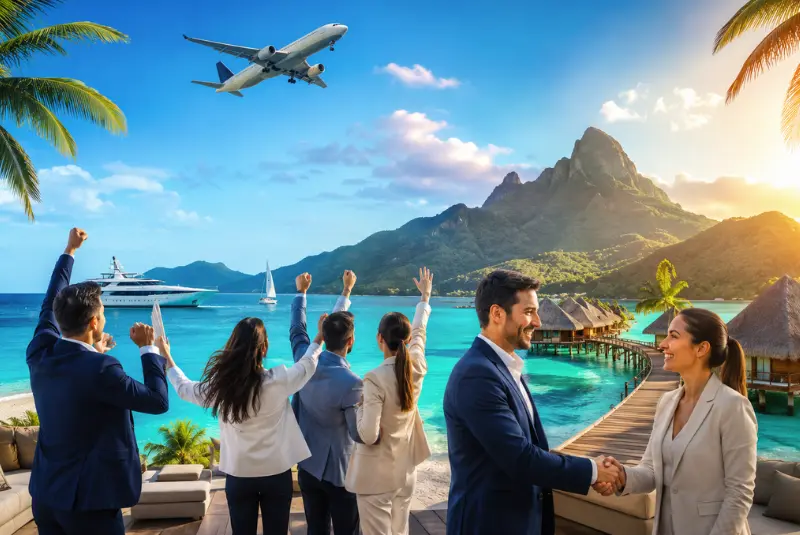
Many organizations use incentive travel to increase sales performance.
Top-performing sales teams often respond strongly to travel-based rewards.
Stronger Employer Brand
Great incentive programs help companies attract talent.
Candidates notice companies that reward success creatively.
Real Examples of Incentive Travel Programs
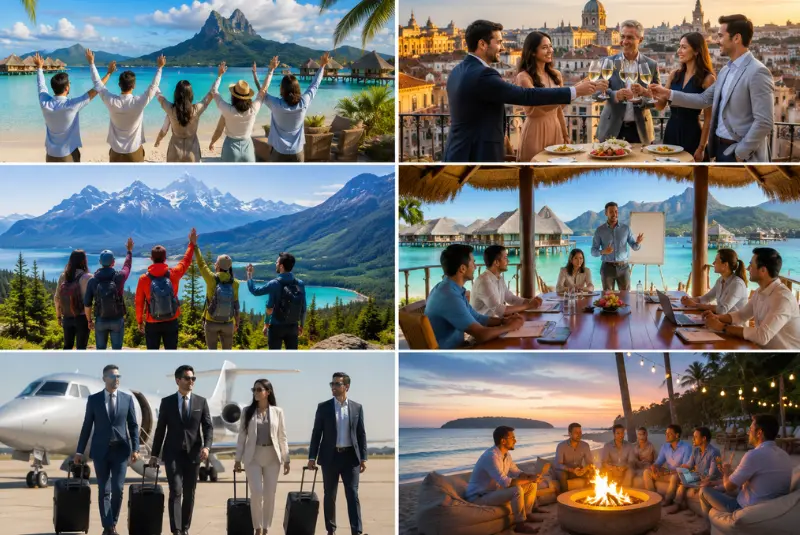
Many competitors skip practical examples.
Here are real-world incentive ideas businesses can use.
Sales Team Incentive Trips
Reward top sales performers with international destinations or luxury retreats.
Employee Recognition Travel
Celebrate long-term employees with anniversary reward trips.
Distributor and Partner Programs
Reward business partners for exceeding targets.
Executive Retreats
Use travel experiences for leadership development and strategic planning.
Team Achievement Rewards
Celebrate department milestones with collaborative group travel experiences.
Incentive Travel Trends for 2026

The incentive travel industry is evolving.
Modern businesses increasingly adopt new trends.
Sustainable Travel Experiences
Eco-conscious travel is growing.
Companies now prefer environmentally responsible destinations and activities.
Wellness Incentive Travel
Mental wellness matters.
Many programs now include:
- Spa retreats
- Mindfulness experiences
- Fitness activities
- Nature escapes
Hybrid Work Team Travel
Remote work has changed business culture.
Companies increasingly use travel experiences to reconnect distributed teams.
Personalized Luxury Experiences
Generic packages are declining.
Customized experiences continue gaining popularity.
How to Plan an Incentive Travel Program
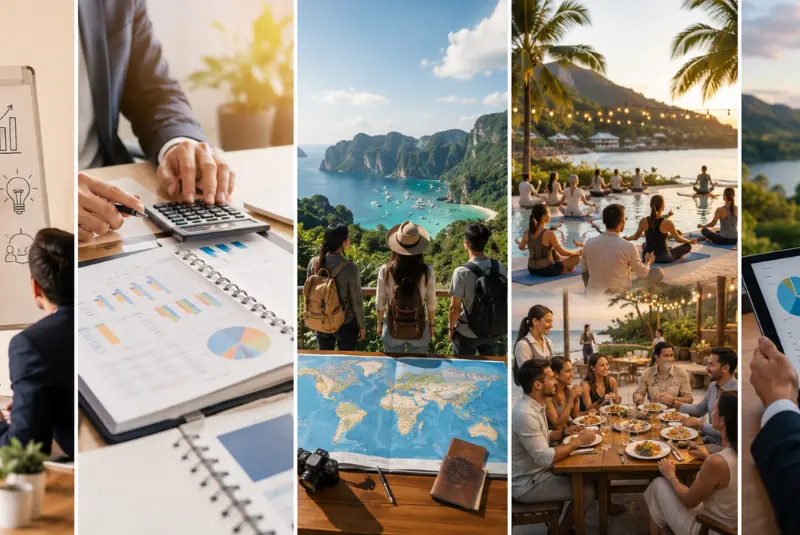
Planning does not need to be complicated.
Follow these simple steps.
Define Your Goals
Identify business objectives clearly.
Set Your Budget
Calculate travel, lodging, activities, and contingency expenses.
Choose the Right Destination
Select a destination aligned with participant interests and company goals.
Build the Experience
Focus on meaningful activities and memorable moments.
Measure Results
Track outcomes and optimize future programs.
Common Incentive Travel Mistakes to Avoid
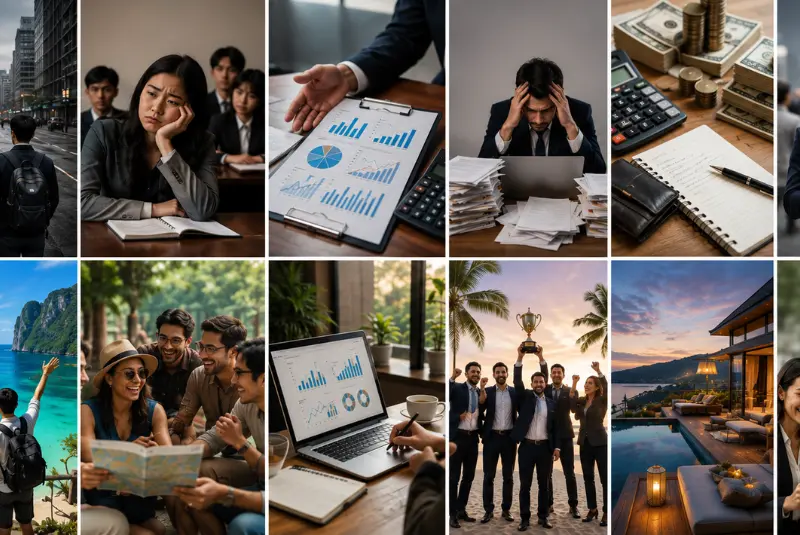
Avoid these frequent mistakes:
- Choosing boring destinations
- Ignoring participant preferences
- Failing to measure ROI
- Overcomplicating qualification rules
- Underestimating budgets
- Neglecting communication
Avoiding these issues increases program effectiveness.
FAQS
What is incentive travel?
Incentive travel is a reward program where companies offer travel experiences to employees, sales teams, or partners for achieving business goals or performance targets.
Why is incentive travel important for businesses?
Incentive travel helps businesses improve employee motivation, boost productivity, strengthen teamwork, and increase loyalty through memorable reward experiences.
How does incentive travel motivate employees?
Incentive travel motivates employees by offering exciting experiences that feel more personal and meaningful than traditional rewards like cash bonuses or merchandise.
What are common examples of incentive travel programs?
Popular incentive travel examples include luxury resort trips, international vacations, corporate retreats, cruise rewards, wellness getaways, and VIP cultural experiences.
Who can benefit from incentive travel programs?
Many groups can benefit from incentive travel, including employees, sales teams, executives, distributors, business partners, and remote teams.
How do companies plan a successful incentive travel program?
Companies usually plan incentive travel by setting goals, defining budgets, choosing destinations, creating engaging experiences, and measuring program results.
Is incentive travel better than cash rewards?
In many cases, yes. Incentive travel often creates stronger emotional connections, lasting memories, and higher engagement compared to one-time cash rewards.
What industries commonly use incentive travel?
Industries that frequently use incentive travel include finance, insurance, automotive, healthcare, technology, retail, direct sales, and consumer goods.
How can businesses measure the ROI of incentive travel?
Businesses can measure incentive travel ROI by tracking employee retention, sales growth, productivity improvements, engagement scores, and customer satisfaction.
What are the latest incentive travel trends?
Current incentive travel trends include sustainable travel, wellness retreats, personalized luxury experiences, remote team travel, and experience-focused reward programs.
Final Thoughts
Incentive travel is much more than a business trip or vacation reward.
It is a powerful strategy for motivating employees, increasing loyalty, strengthening culture, and driving measurable business growth.
When companies focus on meaningful experiences, personalization, and clear goals, incentive becomes a long-term investment rather than a short-term expense.
If you want stronger teams, better engagement, and higher performance, implementing a smart incentive strategy may be one of the best business decisions you make.
