


By the National Travels editorial team. This is my honest opinion after comparing resort rates against pay-as-you-go trips, and it is meant to help you decide, not to sell you a package.
Yes, an all-inclusive is worth it when you will eat three meals a day on property, drink at least a few cocktails daily, and use the activities. It is not worth it if you plan to explore outside the resort most days, or if the nightly rate is more than about 30 percent above a comparable room-only rate plus your realistic food and drink spending.
Most people searching “are all inclusives worth it reddit” want one thing: a straight answer from people who have no reason to flatter a resort. Threads on r/travel tend to land in the same place. Travelers love the predictability and hate the surprises. Both reactions are fair, and the difference usually comes down to which resort you pick and how you use it.
Can You Profit From an All Inclusive Hotel?
The video from Jack Pembrook discribe the whole truth about Inclusive Hotels.
Is It Better to Get All-Inclusive or Not? Use the Break-Even Test
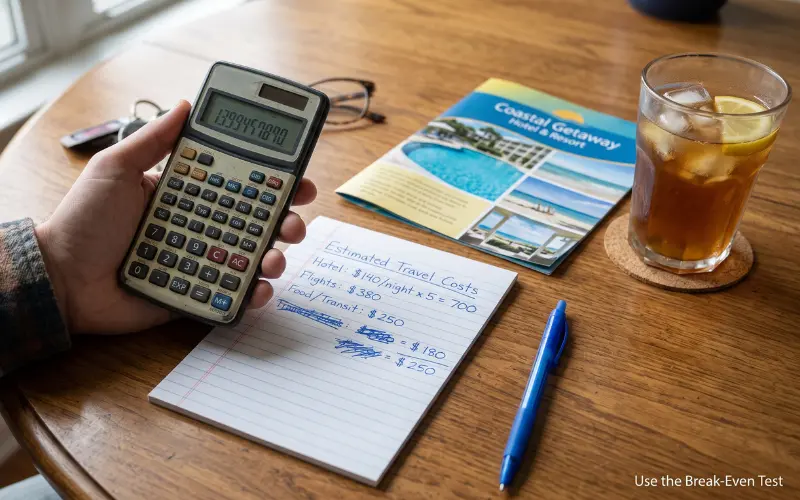
Forget the brochure. Do the arithmetic for your own habits. Take the all-inclusive nightly rate per person, then subtract the room-only rate for a similar hotel. What is left is the price you are paying for food, drinks and activities. If that number is lower than what you would honestly spend on those things, you win.
Here is a worked example with typical mid-range Caribbean or Mexico numbers. Rates change by season, so treat these as a starting point and plug in real quotes.
| Daily spend per person | Pay-as-you-go hotel | All-inclusive (mid-range) |
|---|---|---|
| Room share (per person, double occupancy) | $130 | Included |
| Breakfast | $18 | Included |
| Lunch | $22 | Included |
| Dinner with one drink | $45 | Included |
| 3 cocktails or beers | $30 | Included |
| Water, snacks, coffee | $10 | Included |
| Activities, beach chair, gym | $10 | Included |
| Total per person per day | about $265 | about $230 to $300 |
That is close to a tie, which is the honest picture. Heavy drinkers and big eaters come out ahead. Light eaters who spend half the day on excursions do not. If you are weighing this against a different style of trip, our guide on how to plan a budget-friendly trip this year shows how to set a daily spending cap before you compare quotes.
Expert note: The break-even changes sharply with location. At resorts far from town, a taxi to a decent restaurant can cost more than the meal. Remote location quietly pushes the math toward all-inclusive. In a walkable city, it pushes the other way.
Do All-Inclusives Actually Save Money? What the Rate Hides

Sometimes they do, but the headline price rarely tells the full story. Three things shift the final bill.
First, kids. Many resorts let children under a set age stay free or at a steep discount, which can make a family of four cost little more than two adults. Always check the age cutoff, because it varies by brand and room type.
Second, the extras. Airport transfers, resort or destination fees, premium liquor, specialty restaurants and spa treatments are common add-ons. Third, tipping. Some resorts say tips are included, yet staff still appreciate small cash tips, and you may feel obliged to give them.
For a refresher on how a drink package changes the math in a similar all-in setting, see our breakdown of the cruise drink budget. The same logic applies: count your realistic drinks per day, not your best-case enthusiasm on day one.
How Much Should I Pay for an All-Inclusive?
There is no universal number, but there are useful bands. Prices below are rough per-person, per-night ranges for a standard room at a double-occupancy rate in popular beach regions. Check current rates before you decide.
| Tier | Typical nightly price (per person) | What you usually get |
|---|---|---|
| Budget | $100 to $180 | Buffet focus, basic rooms, house-brand drinks, crowded pool |
| Mid-range | $180 to $350 | Several à la carte restaurants, name-brand spirits, decent beach |
| Upscale | $350 to $600 | Swim-out rooms, better dining, shorter lines, quieter pools |
| Luxury | $600 and up | Butler or concierge service, premium liquor, private areas |
A good rule: if the price you are quoted is higher than the room-only rate plus the realistic cost of food and drinks in that exact area, keep looking. If it is lower, you have found a fair deal.
Why All-Inclusive Resorts Get Called Bad (and When the Criticism Is Right)

The complaints repeat for a reason. Here are the main downsides of an all-inclusive resort, and how serious each one actually is.
| Downside | How real it is | Fix |
|---|---|---|
| Food gets repetitive after day 4 | High at budget resorts | Pick a property with 4+ restaurants |
| You never see the real destination | High if you never leave | Book one or two outside meals or tours |
| Slow drink service | Medium, mostly in peak weeks | Order two drinks at a time |
| Tiered access (wristbands, buildings) | Medium, often hidden in fine print | Read the room-category rules before booking |
| Noise from pool entertainment | Medium | Ask for a room away from the main pool |
| Remote location, costly taxis | High at isolated resorts | Check distance to town on a map |
The tier issue is the one most reviews skip. Some large complexes sell several room categories on one beachfront, and a cheaper category may exclude the best restaurants, the quieter pool or the air-conditioned dining rooms. A friend of mine booked the lowest category at a big Mexican property and found the nicer restaurants were off limits to her wristband. Always email the resort and ask what your exact room category can access.
If you want to see how a resort marketed for luxury actually compares, our write-up on a luxurious experience in Aruba is a good reference point for what higher-end service looks like.
Is It Worth Going All-Inclusive If You Don’t Drink?
Yes, often, but the margin is thinner. You are no longer getting value from the bar, so the question becomes whether you eat enough to justify it. Non-drinkers who like coffee drinks, smoothies, desserts, room service and big breakfasts can still break even. Light eaters and anyone who skips lunch will probably overpay.
Look for three things: a good non-alcoholic menu (fresh juices, mocktails, specialty coffee), included room service, and activities you will actually use such as snorkeling gear, kayaks or fitness classes. If the resort spends all its effort on the swim-up bar and little else, a room-only hotel is a smarter choice.
Do You Get Free Drinks at an All-Inclusive? What “Included” Really Covers
Usually yes, but “free” has limits. Most resorts include beer, house wine and standard spirits during bar hours. What changes by tier is the brand level.
Before you book, ask these questions:
- Which liquor brands are included? Many budget resorts pour local or house brands, and premium labels cost extra.
- Are drinks included at all hours? Some bars close early, and some restrict 24-hour service to certain areas.
- Is bottled water free in your room? Many resorts refill it daily, but not all.
- Are specialty restaurants and room service included? Some require reservations or charge supplements.
- Is there a drink limit or a minimum age? Rules differ by country, and the legal drinking age at a resort follows local law.
How Many Days Are Enough at an All-Inclusive?
Four to six nights is the sweet spot for most people. Three nights can feel rushed because you lose a day each end to travel. Past seven nights, the buffet and the entertainment loop start to wear thin unless you plan outside activities.
| Length of stay | Best for | Watch out for |
|---|---|---|
| 3 nights | Quick reset, long weekend | Travel time eats the value |
| 4 to 5 nights | First-timers, couples | Best balance of rest and variety |
| 6 to 7 nights | Families, honeymooners | Plan one outside day to avoid boredom |
| 8+ nights | Remote workers, slow travelers | Split the stay between two properties |
Are All Inclusives Worth It for Couples?
For couples, yes, particularly for anniversaries and honeymoons. Adults-only and couples-only resorts differ more than people expect. A couples-only property tends to attract honeymooners and quieter evenings. An adults-only resort can draw larger friend groups and bachelorette parties, so the atmosphere is louder.
If your priority is privacy, pay for a room with a private plunge pool or a swim-out terrace. If your priority is food, pick the property with the strongest à la carte restaurant list, not the biggest pool.
Are All Inclusives Worth It for Families?
Families get the strongest value, but only at resorts built for kids. The things that matter are the kids’ club structure, the minimum age, whether siblings can stay together, and whether supervised activities include the beach or pool.
Check these details before booking:
- Age cutoffs for kids’ clubs. Some split toddlers, school-age kids and teens into separate rooms.
- Water supervision. If your child is not a strong swimmer, ask how the club handles pool and beach time.
- Kids-free policies. Confirm the age and room-occupancy rules in writing.
- Food for picky eaters. Buffets help, but confirm the kids’ menu and allergy handling.
Common Mistakes to Avoid at an All-Inclusive Resort
I see the same errors repeat, and most are avoidable.
- Skipping dinner reservations. Popular à la carte restaurants fill up. Book on arrival day or use the resort app.
- Not asking about room category access. Wristband or building tiers can block the best amenities.
- Buying every excursion in the lobby. Resort desks mark up tours. Compare with a trusted local operator, and read our hotel travel safety rules before handing over cash or passport copies.
- Booking in the wrong season. Peak holiday weeks bring crowds and slow service. Hurricane season in the Atlantic Caribbean runs roughly June through November, so check cancellation terms and consider travel insurance. Our guide to traveling during peak season explains how to read crowd and price patterns.
- Never leaving property. One or two off-site meals or tours turn a bubble into a trip.
- Ignoring the fine print on Wi-Fi. Some resorts limit free Wi-Fi to the lobby or to one device.
Who Should Skip All-Inclusive Altogether
Skip it if you travel mainly for food and local culture, if you dislike buffets, or if you want to explore a different neighborhood each day. Skip it if the resort is isolated and you do not want to pay for taxis. And skip it if you are comfortable controlling a budget as you go, because the main benefit is predictability, not savings.
If comfort matters more than the format, try a hybrid: a room-only hotel in a walkable area with one or two prepaid dinners. Our tips on traveling more comfortably without spending more than necessary show how to get most of the comfort without a full package.
What Is the #1 All-Inclusive Resort in the World?
There is no single objective winner, because rankings depend on region, budget and travel style. A better way to answer it is to look at brands that travelers repeatedly recommend and match them to your priorities.
| Best for | Brands often recommended | Why travelers pick them |
|---|---|---|
| Couples and honeymoons | Sandals, Excellence Resorts | Romance focus, strong dining, adults-only atmosphere |
| Families | Beaches, Iberostar, Club Med | Kids’ clubs, water parks, family room options |
| Luxury and privacy | Select upscale tiers of Secrets and similar brands | Swim-out rooms, premium drinks, concierge service |
| Value | Mid-range Mexican and Dominican Republic resorts | More amenities per dollar |
Read recent guest reviews for food quality and service, because brand names do not guarantee the specific property is good.
My Verdict
All-inclusives are worth it when you match the resort to your habits. Do the break-even math, confirm what your room category includes, and plan at least one thing outside the gates. If the numbers are close, choose the format that makes you more relaxed, since stress-free time is the real product.
FAQ
Are all-inclusive resorts safe for solo travelers?
Generally yes, because resorts have gated access and staff on site. Choose a property with good reviews from solo guests, avoid leaving valuables in public areas, and use the in-room safe.
Can I use my own money at an all-inclusive, or is cash banned?
Most resorts accept cash for tips and extras, and many also bill extras to your room. Bring small bills for staff and for local markets.
What should I pack for an all-inclusive trip?
Bring a refillable water bottle, reef-safe sunscreen, a light cover-up for dinner, and a small day bag for excursions. Check dress codes for à la carte restaurants.
Do all-inclusives handle food allergies and dietary needs?
Many do, but quality varies. Email the resort before arrival, ask for allergy protocols, and confirm that chefs can prepare vegan, gluten-free or halal meals if you need them.
Is it cheaper to book an all-inclusive package with flights?
Sometimes, particularly in the off-season. Compare the package price against booking the room and flights separately, and check the transfer terms.
What time should I check in, and can I stay after checkout?
Check-in is commonly mid-afternoon. Many resorts let you keep using facilities after checkout, though policies differ, so ask at the front desk.
Are all inclusives worth it in the shoulder season?
Often more so. Rates are lower, crowds are smaller, and service tends to be faster. Just verify weather patterns for your destination.
How do I find honest reviews beyond the resort website?
Read recent reviews on multiple platforms and look for repeated comments about food, service speed and room category access. Threads on Reddit can add context, but treat them as anecdotes and cross-check details.
