

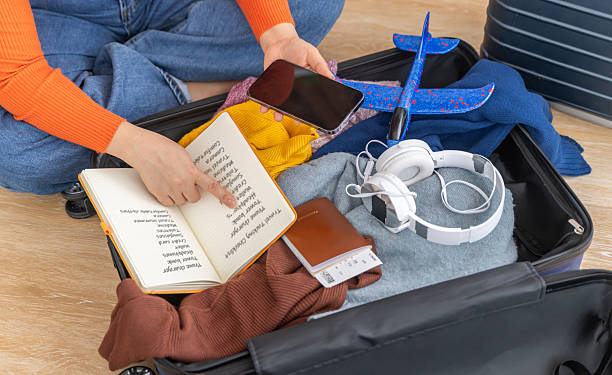
Have you ever started a long-distance trip feeling excited, only to become tired and uncomfortable after a few hours?
Spending several hours on a bus, train, plane, or in a car can be physically demanding. Limited legroom, changing temperatures, and irregular sleep schedules can make even a well-planned trip exhausting.
However, a few practical preparations can make travelling much more pleasant. From choosing comfortable clothing to planning regular breaks, small decisions can help travellers arrive at their destinations feeling refreshed.
Here are ten practical ways to make long-distance travel more comfortable and enjoyable.
1. Choose Comfortable Clothing for the Trip
Clothing plays an important role in maintaining comfort during extended travel. Tight jeans, heavy fabrics, and restrictive footwear can become uncomfortable after several hours of sitting.
Lightweight, breathable clothing is generally a better option. Loose trousers, cotton shirts, and comfortable shoes allow easier movement. Travellers should also carry a light jacket because temperatures inside buses, trains, and aircraft can change unexpectedly.
Layering clothes makes it easier to adjust to different conditions without carrying too many additional items.
2. Select the Right Seat Whenever Possible
Seat selection can influence the overall travel experience, particularly on journeys lasting several hours. Some travellers prefer window seats for additional support while resting, while others choose aisle seats for easier movement.
When booking transportation, checking available seating arrangements can help travellers make informed decisions. Extra-legroom seats may be worth considering for taller passengers.
On buses, seats near the middle may feel more stable than those at the rear, although comfort depends on the vehicle and road conditions.
3. Pack a Small Travel Comfort Kit
A well-prepared comfort kit can make a considerable difference during long journeys. Instead of searching through large luggage bags, travellers can keep frequently needed items within easy reach.
Useful items include a neck pillow, eye mask, earplugs, tissues, lip balm, and hand sanitiser. A compact blanket or warm scarf can also help when travelling in air-conditioned vehicles.
Keeping these essentials in a small backpack makes it easier to manage unexpected situations without disturbing fellow passengers.
4. Stay Hydrated Throughout the Journey
Dehydration can contribute to headaches, tiredness, and general discomfort. Travellers sometimes reduce their water intake to avoid frequent restroom visits, but this can make long journeys more difficult.
Carrying a refillable water bottle encourages regular hydration. Drinking small amounts throughout the trip is generally more comfortable than consuming large quantities at once.
Travellers should also moderate their consumption of caffeinated drinks, particularly when planning to sleep during the journey.
5. Plan Entertainment Before Leaving
Long-distance journeys often involve several hours of waiting or sitting with limited activities. Preparing entertainment beforehand can help make this time more enjoyable.
Downloading films, podcasts, audiobooks, or music allows travellers to enjoy content without depending on internet connectivity. Books and offline games are also useful alternatives.
Some passengers enjoy exploring digital entertainment platforms such as hoki123 during their free time. However, entertainment choices should suit personal preferences, local regulations, and available connectivity.
Carrying headphones and a charged power bank can help maintain access to entertainment throughout the journey.
6. Take Regular Breaks and Stretch
Remaining seated for extended periods can cause muscle stiffness and discomfort, especially around the neck, shoulders, and legs.
Whenever possible, travellers should stand, walk briefly, and stretch during scheduled stops. Passengers on aircraft and trains can also move around when conditions and safety instructions permit.
Simple seated movements, such as ankle rotations and gentle shoulder stretches, may help reduce stiffness. Drivers should schedule rest stops rather than attempting excessively long periods behind the wheel.
7. Carry Healthy Snacks
Food availability can be unpredictable during long-distance travel. Some routes offer limited meal options, while others involve lengthy gaps between scheduled stops.
Packing convenient snacks helps travellers manage hunger without depending entirely on roadside restaurants or onboard services.
Fresh fruit, nuts, crackers, and sandwiches are practical options when stored appropriately. Travellers should avoid carrying foods that spoil quickly without refrigeration.
Eating moderate portions can also help prevent the uncomfortable feeling of being overly full while sitting for several hours.
8. Maintain a Comfortable Sleeping Position
Getting proper rest during overnight travel can be challenging, particularly when seating arrangements offer limited support.
A supportive neck pillow can help reduce awkward head positions. Reclining seats, when available, may provide additional comfort, although passengers should remain considerate of those sitting behind them.
An eye mask and earplugs can reduce disturbances from lighting and surrounding noise. Travellers should also follow seatbelt requirements and avoid sleeping positions that interfere with safety.
9. Organise Important Travel Documents
Searching for tickets, identification, or booking confirmations at the last moment can create unnecessary stress.
Before departure, travellers should organise their essential documents in a secure, accessible location. Digital copies of tickets and reservations can provide convenient backups when accepted by the transport provider.
Checking departure times, baggage restrictions, boarding requirements, and transfer arrangements in advance can prevent avoidable confusion.
A simple travel checklist is often enough to keep important preparations organised.
10. Allow Enough Time for Unexpected Delays
One of the easiest ways to make long-distance travel more comfortable is to avoid an unnecessarily tight schedule.
Traffic congestion, weather conditions, transportation delays, and crowded terminals can affect arrival times. Leaving sufficient time between connections reduces pressure when unexpected changes occur.
Travellers should also consider their energy levels after arrival. Scheduling demanding activities immediately after an overnight journey may leave little opportunity to recover.
Allowing time for rest can make the first day at a destination considerably more enjoyable.
Conclusion
Long-distance travel does not have to be exhausting. Comfortable clothing, suitable seating, regular hydration, planned entertainment, and sensible rest breaks can make extended journeys easier to manage. Preparing essential documents, carrying useful supplies, and allowing extra time for delays can also reduce unnecessary stress. With thoughtful planning and a few practical habits, travellers can enjoy a more comfortable trip and arrive at their destinations ready for the activities ahead.
