

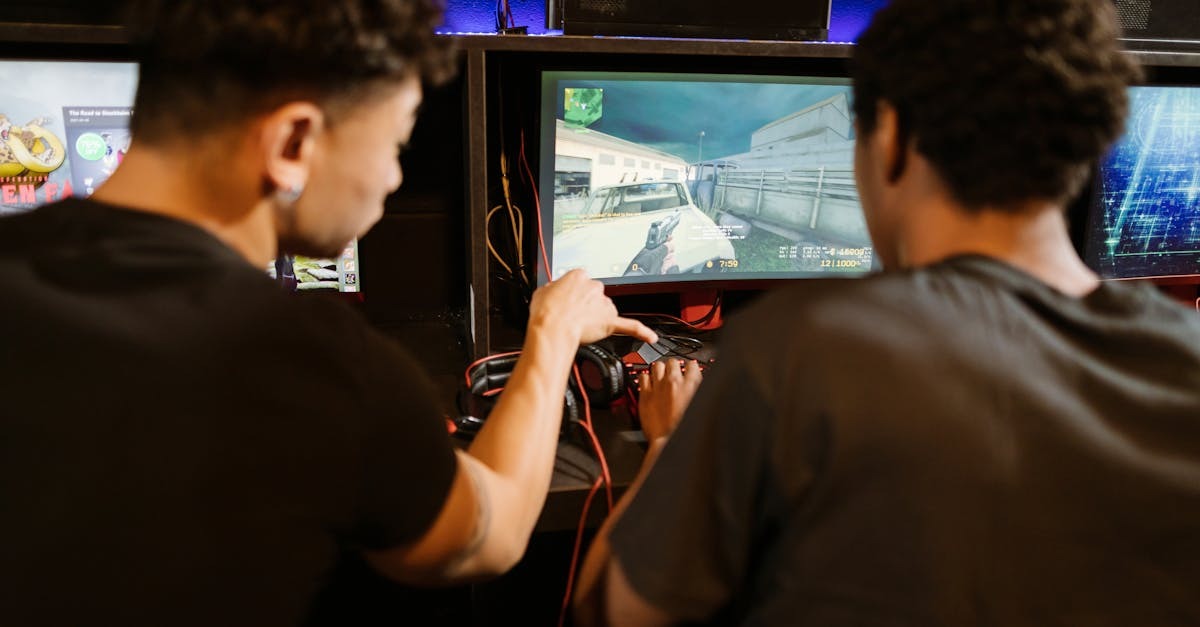
Have you noticed how online gaming has transformed from a solitary hobby into something far more social and community-driven? What started as people playing games alone in their rooms has evolved into thriving digital communities where millions of players connect, collaborate, and compete together. These communities have become so organized and passionate that they function almost like tribes, complete with their own cultures, values, and hierarchies.
The rise of digital tribes in gaming represents one of the most fascinating shifts in how people interact online. Players aren’t just consuming entertainment anymore; they’re building identities, forming lasting friendships, and creating shared experiences that rival traditional social groups. Understanding these communities helps explain why gaming has become such a dominant force in modern culture and why millions of people spend significant time within these digital spaces.
What makes these gaming tribes different from casual player groups is their depth of commitment and the intricate social structures they develop. Members often spend years together, developing inside jokes, shared goals, and collective knowledge that binds them tighter than many real-world friendships.
How Gaming Communities Form And Develop
Gaming tribes typically form around specific games, genres, or play styles that attract players with similar interests and values. A community might start with just a handful of friends playing together, then gradually expand as word spreads through forums, social media, and streaming platforms. The growth happens organically because people naturally want to connect with others who share their passion.
The Role Of Shared Interests And Goals
Players bond over common objectives like reaching competitive ranks, completing challenging content, or simply enjoying the game’s story together. These shared goals create natural reasons for regular interaction and cooperation. When a group of players works toward the same objectives repeatedly, they develop trust and understanding that forms the foundation of a real community.
Leadership And Organization Within Tribes
Most gaming communities develop informal or formal leadership structures. Some tribes have elected officers, scheduled meetings, and documented rules, while others operate more loosely with natural leaders emerging through respect and experience. These leaders often organize events, manage communication channels, and help resolve conflicts. The organizational level varies widely depending on the tribe’s size and the game they play.
The Cultural Elements That Define Gaming Tribes
Each gaming community develops its own unique culture that distinguishes it from other groups. This culture includes specific terminology, behavioral expectations, and values that members understand and respect.
Language And Inside Jokes
Gaming tribes develop their own vocabulary and references that outsiders might not understand. These linguistic markers serve as identity badges that reinforce belonging. Members use specialized terms related to their game, create memes specific to their community, and develop shorthand for common situations. This shared language makes the tribe feel like an exclusive club where members truly understand each other. When you visit sites like https://www.hoki22.com/, you’ll notice how different gaming communities have completely different ways of communicating about their experiences.
Rituals And Traditions
Gaming tribes establish rituals that strengthen group cohesion. These might include weekly gaming sessions, seasonal tournaments, annual celebrations, or specific ways of welcoming new members. Some tribes have initiation processes where newcomers must prove themselves before gaining full acceptance. These traditions create predictability and give members something to look forward to, reinforcing their commitment to the group.
Different Types Of Gaming Tribes
Not all gaming communities function the same way or attract the same types of players. Understanding the different varieties helps explain why gaming has become so culturally significant.
Competitive Esports Communities
These tribes form around players who compete at high levels in structured tournaments. Members often practice together, study strategies intensively, and follow professional scenes closely. The competitive nature creates intense bonds because success depends on trusting your teammates completely. These communities are often highly organized with coaching staff, training schedules, and performance metrics.
Casual Social Groups
Many gaming tribes prioritize fun and friendship over winning. These communities welcome players of all skill levels and focus on enjoying the experience together. Members might play various games, chat about life outside gaming, and use their group as a social outlet. The atmosphere tends to be relaxed and inclusive, making them appealing to people who want gaming to be part of their social life rather than their primary focus.
Content Creator Communities
Streamers and content creators build tribes around their personalities and streams. These communities revolve around supporting the creator and participating in their content. Members develop loyalty to the creator and fellow community members, often feeling like they’re part of something larger than just watching streams. The interaction between creator and audience creates a dynamic that traditional gaming groups don’t have.
The Impact Of Streaming And Social Media
Digital platforms have fundamentally changed how gaming tribes form and operate. Streaming services, social media, and gaming forums have made it easier for geographically dispersed players to connect and maintain relationships.
Visibility And Growth Through Platforms
When players stream their gameplay, they expose their community to thousands of potential new members. Social media allows tribes to stay connected between gaming sessions and share content that reinforces group identity. Discord servers, Reddit communities, and other platforms provide dedicated spaces where members can communicate constantly. This always-on connectivity means gaming tribes can maintain stronger relationships than groups that only interact during gameplay.
Cross-Tribal Interactions
While tribes maintain distinct identities, they also interact with other communities through competitions, collaborative events, and shared spaces. Players might participate in multiple tribes simultaneously, bringing ideas and culture from one group to another. This cross-pollination creates a larger gaming culture that encompasses many smaller tribal groups. Games like mahjong slot communities demonstrate how different types of players can form distinct subcultures within broader gaming spaces.
Challenges And Conflicts Within Gaming Tribes
Gaming communities aren’t always harmonious. Conflicts arise from competition, differing values, and the challenges of maintaining large groups over time.
Managing Growth And Maintaining Culture
As tribes grow larger, maintaining their original culture becomes difficult. New members might not understand or respect established traditions, and the close-knit feeling can disappear as the group expands. Successful communities develop ways to onboard new members while preserving what made them special in the first place.
Conflict Resolution And Toxicity
Gaming tribes must address toxic behavior and conflicts between members. Communities that develop clear codes of conduct and consistent enforcement tend to maintain healthier environments. Leadership plays a crucial role in setting the tone and ensuring that competition doesn’t turn into harassment or exclusion.
The Future Of Digital Gaming Tribes
As gaming continues to evolve, so will the communities that form around it. Virtual reality, new game genres, and changing social dynamics will shape how future tribes develop and function. What remains constant is the human need for connection and belonging, which gaming tribes fulfill in meaningful ways. These digital communities are here to stay, continuing to provide millions of people with friendship, purpose, and shared experiences that enrich their lives.
