

Nowadays, a phone is the one thing that most travelers make sure to check before they leave home since it somehow holds almost each part of the trip. The tickets, the maps, the reservations of the hotel, the payments, the translator, the weather forecasts, the photos, and the entertainment are all in one pocket. During long waits or quiet travel breaks, options such as desiplay app can also fit into a broader set of mobile entertainment choices when used with clear limits. The real value of a phone during travel comes from control. It helps people move faster, solve small problems, stay safer, and use downtime without carrying extra devices.
Travel Details Stay Easier to Manage
There are a lot of small information dots generated in a modern trip. On the same day, a traveller might require a bus ticket in conjunction with a train confirmation, hotel address, ID copy, booking number, boarding pass, payment receipt, and a route screenshot. All these information may be scattered all over messages and apps and can be cumbersome.
A well-prepared phone will help remove that stress. Travel folders packed, downloaded PDFs, maps and starred locations can help keep you from going in last minute search mode.
The smartest setup is practical. Before departure, travelers can save booking details, emergency contacts, transport information, and payment backup options. This takes a few minutes but can save much more time during the trip.
Route Changes Become Less Stressful
Travel rarely follows the exact plan on the screen. Buses may run late, roads may close, weather may shift, and hotel check in times may change. A phone helps travelers adjust without turning every problem into a bigger one.
Alternate routes are indicated on maps. Ride apps can help to estimate movement time. Weather apps alert you to heat, rain or fog. Search tools can be used to locate nearby food, ATMs, pharmacies, cafés or rest stops. When plans change, messaging apps stay in touch with family, friends, drivers and hosts.
This flexibility is especially useful during long distance travel. A delayed bus or missed connection feels less frustrating when the next step is visible. The phone does not remove every travel problem, but it gives the traveler more options. That sense of control can make the journey feel calmer.
Payments and Access Become More Convenient
Phones have impacted the way travelers pay, confirm and enter places. With digital wallets, QR payments, banking apps and online booking systems, there’s no need to carry too much cash. It’s helpful when traveling to the city, intercity travel, hotels and for food stops.
However, there must be structure for convenience. It is recommended that travelers have at least one alternative payment option. Even a poor signal connection, broken screen, or low battery can easily become an issue if all that the someone wants to do is to pay for something. Even in rural areas cash can be useful at road stops, for smaller towns and at local markets, and it’s important to have cash in areas where digital payment systems are not reliable.
Good mobile payment habits include:
- Keep banking and wallet apps updated before the trip.
- Use a strong screen lock and app lock for payment tools.
- Avoid making payments on open public WiFi.
- Save transport and hotel receipts in one folder.
- Carry a small amount of cash for backup.
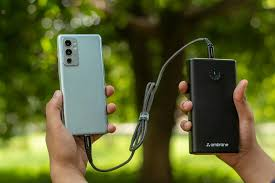
- Keep a portable charger ready for long routes.
A phone works best as the main payment tool, not the only payment tool.
Waiting Time Feels Easier to Handle
A phone helps to pass the time with light entertainment. Use music, downloaded podcasts, ebooks, language apps, short videos, mobile games and saved articles to make a boring break a comfortable one. Best options are typically low effort, easy to quit when it continues.
But short entertainment is best during travel when it is not too demanding. A traveller might have to keep an eye on the bags, listen for announcements, read messages and move fast when they come to pick them up. Any applications used while on the trip must not be an all-consuming activity for an extended period of time.
The cell phone is also capable of making traveling solo less lonely. A phone call home or a photo or brief conversation can make the trip feel more pleasant, and does not detract from the experience of being there.
Safety Improves With Better Phone Habits
The phone could be a safety factor, but it could also be a risk if used improperly. Visitors tend to store personal records, payment methods, history of where they’ve been, private photos, etc. on the same device. That’s why phone protection is a necessary part of your travel preparations.
The first layer is a strong lock screen. If you are arriving late or on a route you are not familiar with, a trusted contact can be of use for location sharing. The emergency numbers should be programmed prior to the trip. Battery saver mode extends the battery life in long trips. When data coverage gets scarce, offline maps will come in handy.
It is also important for travellers to be mindful of their cell phone usage while in public areas. Carrying the device casually near a road, overcrowded stations or open vehicle windows can be an invitation to steal. Any sensitive information should not be viewed by others when opened in front of the screen.
The Best Travel Tool Still Needs Boundaries
A phone is useful because it connects many travel needs in one place. It helps with movement, money, planning, communication, safety, and downtime. Yet the same device can also pull attention away from the trip.
Good travel phone use has boundaries. Maps should guide the route, not replace curiosity. Photos should preserve memories, not interrupt every moment. Entertainment should soften waiting time, not fill every quiet second. Payments should make spending easier to track, not easier to ignore.
The best travel companion is not the phone but its user. It’s how the traveller can apply it effectively. If the device is set up in advance, and handled properly, it can be a silent companion on the road. It holds plans together, resolves problems quicker, makes waiting less tedious and keeps the traveler connected without losing his/her sense of the outside experience.
