

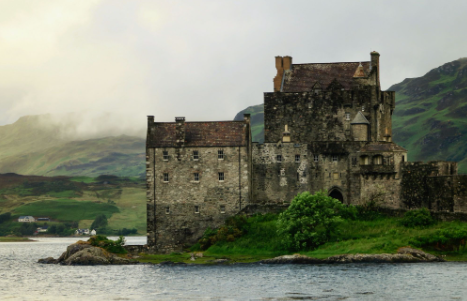
Scotland is a dream destination for travellers who love dramatic landscapes, rugged mountains, peaceful lochs, beautiful islands, and untouched countryside. From mist-covered valleys and towering peaks to deep freshwater lochs and spectacular coastlines, Scotland offers some of the most breathtaking natural scenery in the United Kingdom.
What makes Scotland particularly special is the variety of landscapes found across the country. You can explore a peaceful loch in the morning, drive through a dramatic Highland valley in the afternoon, and watch the sunset over a remote island in the evening.
For travellers planning their first visit, these 10 natural wonders in Scotland offer a wonderful introduction to the country’s incredible scenery.
1. Loch Ness
No list of Scotland’s natural wonders would be complete without Loch Ness.
Located in the Scottish Highlands, Loch Ness is one of the world’s most famous lakes. Its deep, dark waters are surrounded by green hills and dramatic landscapes, creating an atmospheric setting that has attracted visitors for generations.
Of course, Loch Ness is also famous for the legendary Loch Ness Monster, often known as “Nessie.” While there is no scientific evidence confirming the creature’s existence, the legend adds an element of mystery to the destination.
Visitors can enjoy boat cruises, explore the surrounding countryside, and visit nearby viewpoints.
The combination of natural beauty and fascinating folklore makes Loch Ness one of Scotland’s most recognisable destinations.
2. Isle of Skye
The Isle of Skye is one of Scotland’s most spectacular natural destinations.
Located off Scotland’s northwest coast, the island is known for rugged mountains, dramatic cliffs, waterfalls, unusual rock formations, and peaceful coastal landscapes.
One of its most famous attractions is the Quiraing, a dramatic landscape created by an ancient landslip. The surrounding mountains and valleys make it a popular destination for hikers and photographers.
The Old Man of Storr is another iconic sight. This distinctive rock formation stands against a dramatic Highland backdrop and has become one of the most photographed landscapes in Scotland.
Skye is an ideal destination for travellers who want to experience Scotland’s wild side.
3. Glen Coe
Glen Coe is one of the most dramatic valleys in the Scottish Highlands.
Surrounded by towering mountains, the valley offers breathtaking scenery throughout the year. The landscape was shaped by glaciers and volcanic activity, creating steep peaks and deep valleys.
Driving through Glen Coe is an experience in itself. The changing scenery makes the route particularly attractive to photographers and road-trip travellers.
Hikers can also explore various trails in the surrounding mountains.
Beyond its natural beauty, Glen Coe has a fascinating and tragic history, which adds another layer of interest to the destination.
For many visitors, simply standing among the mountains and taking in the scenery is enough to make Glen Coe a highlight of a Scotland trip.
4. Ben Nevis
At 1,345 metres, Ben Nevis is the highest mountain in the United Kingdom.
Located near Fort William, it is one of Scotland’s most famous destinations for outdoor enthusiasts.
The mountain attracts hikers from around the world, although reaching the summit requires preparation, suitable clothing, and awareness of changing mountain weather.
Even travellers who don’t climb to the summit can enjoy spectacular views of the surrounding Highlands.
The landscape around Ben Nevis includes mountains, valleys, rivers, and forests, making the wider area an excellent destination for nature lovers.
For adventurous travellers, climbing Ben Nevis can become one of the most memorable experiences of a Scotland holiday.
5. Cairngorms National Park
Cairngorms National Park is one of Scotland’s largest protected landscapes and offers an incredible variety of scenery.
The park contains mountains, forests, rivers, lochs, and open landscapes. It is also home to a variety of wildlife.
Depending on the season, visitors can enjoy hiking, cycling, skiing, wildlife watching, and scenic drives.
The Cairngorm Mountains provide particularly impressive views, while the forests and valleys offer a more peaceful atmosphere.
Because the park covers such a large area, travellers can easily spend several days exploring different parts of the region.
It is an excellent choice for anyone who wants to experience Scotland’s wilderness.
6. Loch Lomond
Located close to Glasgow, Loch Lomond is one of Scotland’s most accessible natural wonders.
The loch is surrounded by hills, forests, and small islands, creating a beautiful landscape that changes with the weather and seasons.
Visitors can enjoy boat trips, walking trails, cycling routes, and scenic viewpoints.
The area is part of Loch Lomond & The Trossachs National Park, which makes it easy to combine the loch with other outdoor attractions.
For travellers with limited time, Loch Lomond can be a convenient way to experience Scotland’s famous loch-and-mountain scenery without travelling too far into the Highlands.
7. Fairy Pools
The Fairy Pools on the Isle of Skye are a series of naturally formed pools and waterfalls surrounded by dramatic mountain scenery.
The clear water, rocky landscape, and surrounding peaks create an almost magical atmosphere.
A walking trail leads visitors through the area, allowing them to experience several pools and waterfalls along the way.
The Fairy Pools are particularly popular with photographers because the landscape looks different depending on the weather and light.
While the pools can be cold, adventurous visitors sometimes swim during suitable conditions.
For travellers exploring Skye, the Fairy Pools are an excellent example of the island’s extraordinary natural beauty.
8. The North Coast 500 Landscapes
The North Coast 500, often called the NC500, is a scenic driving route through the Scottish Highlands.
Rather than being one single natural attraction, the route connects numerous landscapes, including rugged coastlines, mountains, beaches, lochs, valleys, and remote countryside.
The journey provides travellers with opportunities to discover some of the less-developed parts of northern Scotland.
One of the biggest attractions of the route is the sense of freedom and adventure it offers. You can stop at viewpoints, explore small villages, walk along beaches, and photograph mountain landscapes along the way.
For travellers who enjoy road trips, the NC500 can be one of the best ways to experience Scotland’s natural scenery.
9. Fingal’s Cave
Located on the uninhabited island of Staffa, Fingal’s Cave is famous for its extraordinary basalt rock formations.
The cave was formed by ancient volcanic activity, resulting in distinctive hexagonal columns of rock.
The combination of the cave, ocean, and unusual geological formations makes the site particularly impressive.
Getting to Staffa is part of the adventure, with boat trips operating from various locations depending on the season and conditions.
The surrounding waters can also provide opportunities to see marine wildlife.
Fingal’s Cave is a fascinating destination for travellers interested in geology and unusual natural landscapes.
10. The Scottish Highlands
Finally, the Scottish Highlands themselves deserve a place on this list.
Rather than being a single attraction, the Highlands encompass a vast region filled with mountains, lochs, valleys, forests, waterfalls, rivers, and remote landscapes.
From Glen Coe and Ben Nevis to Cairngorms and the northern coastline, the Highlands contain many of Scotland’s most iconic natural sights.
The best way to experience the region is to avoid rushing. Take scenic drives, stop at viewpoints, walk through the countryside, and allow time to appreciate the landscape.
For first-time visitors, the Highlands can provide the defining experience of a Scotland holiday.
Best Time to Explore Scotland’s Natural Wonders
Scotland can be beautiful throughout the year, but each season offers a different experience.
Spring brings longer days, fresh greenery, and increasingly comfortable conditions for sightseeing and hiking.
Summer offers the longest daylight hours, making it a popular season for road trips and outdoor activities. However, popular destinations can become busy.
Autumn brings colourful landscapes and cooler temperatures, creating beautiful conditions for photography.
Winter can transform the Highlands into a snowy landscape. However, mountain weather can be challenging, and some roads and trails may require additional preparation.
For a first visit focused on natural attractions, late spring through early autumn can provide a good balance between accessibility and outdoor sightseeing.
How to Plan a Scotland Nature Trip
Scotland’s natural attractions are spread across a large area, so planning your route is important.
If you have limited time, you could focus on Edinburgh and nearby destinations before travelling towards the Highlands.
A longer holiday allows you to combine Loch Ness, Glen Coe, the Isle of Skye, Cairngorms, and other scenic destinations.
When comparing scotland tour packages, check whether the itinerary includes enough time at each attraction. A trip that covers too many destinations in a short period may leave you spending most of your holiday travelling between locations.
For travellers from India, uk scotland tour packages in india can be a convenient option when flights, accommodation, transportation, and sightseeing are organised together.
Tips for Visiting Scotland’s Natural Attractions
Scotland’s weather can change quickly, especially in mountainous areas. Carry waterproof clothing and layers even during warmer months.
Wear comfortable footwear if you plan to explore hiking trails or natural attractions.
When visiting remote areas, check transportation options and road conditions before travelling.
It is also important to respect the natural environment. Stay on appropriate paths, avoid leaving litter, and follow local safety instructions.
Most importantly, give yourself enough time to enjoy the scenery. Scotland’s landscapes are not attractions that should always be rushed through—they are best experienced slowly.
Final Thoughts
Scotland’s natural beauty is one of the biggest reasons travellers return to the country.
From the mysterious waters of Loch Ness and the rugged landscapes of the Isle of Skye to the mountains of Glen Coe and the vast Scottish Highlands, every region offers a different perspective of the country’s wild and beautiful landscape.
Whether you prefer hiking, photography, road trips, wildlife, or simply enjoying spectacular scenery, Scotland provides countless opportunities to connect with nature.
These 10 natural wonders in Scotland are an excellent starting point for planning a memorable journey through one of the United Kingdom’s most breathtaking destinations.
